
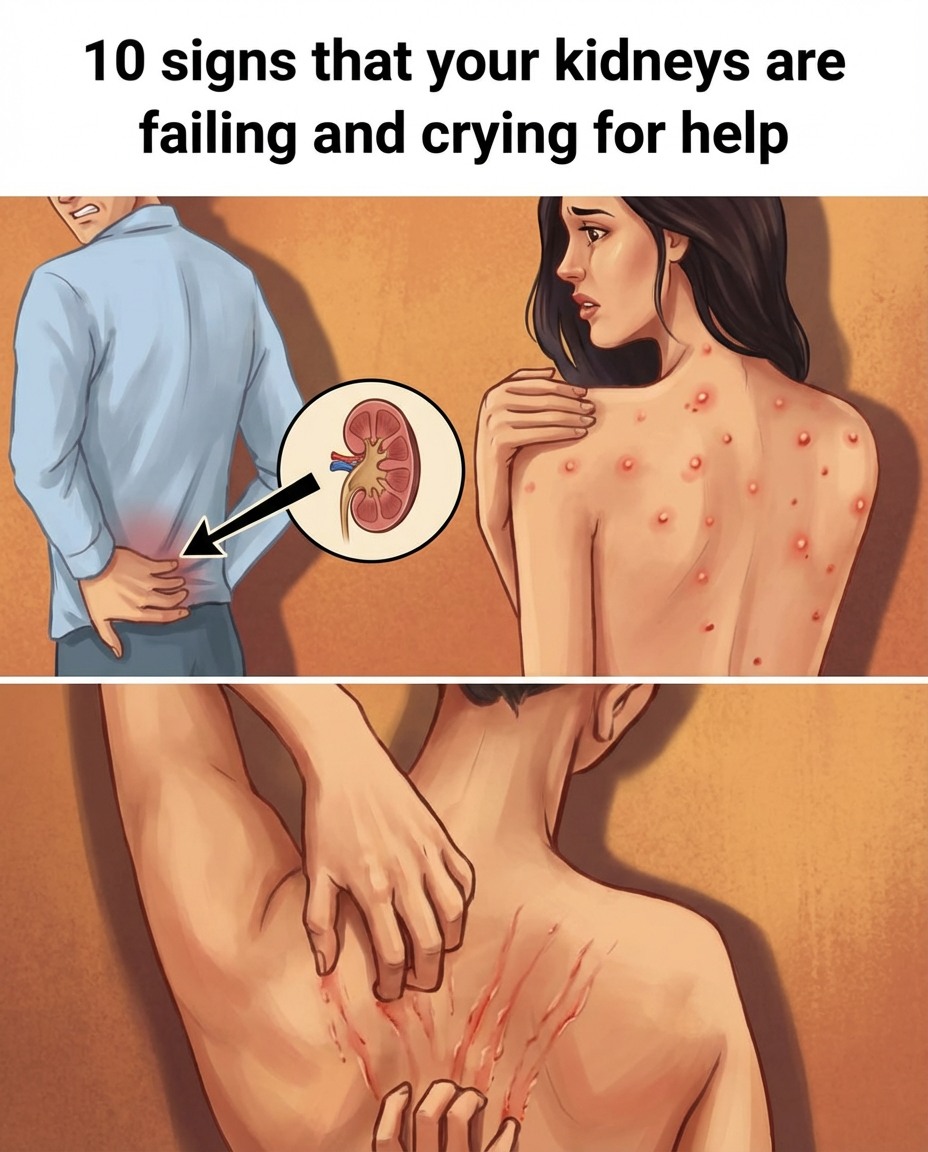
Your kidneys work quietly in the background every day, filtering waste, balancing fluids, and supporting essential body functions. Because they are so efficient, problems can develop slowly without obvious warning signs. Many early symptoms are subtle and easy to brush off as stress, aging, or everyday fatigue. Understanding these small changes can help you stay alert and take supportive steps before minor issues become more serious.
One of the first areas where kidney-related changes may show up is in your daily routine. You might notice differences in how often you urinate, changes in urine appearance such as ongoing foaminess, or discomfort that doesn’t have an obvious cause. Other signals can include persistent tiredness, difficulty focusing, or swelling in the ankles, feet, hands, or around the eyes. Some people also experience muscle cramps, dry or itchy skin, nausea, a reduced appetite, or subtle changes in taste. These signs can reflect how well your body is managing fluids and minerals.
Certain factors can increase the likelihood of kidney strain over time. Conditions such as high blood pressure and diabetes are among the most common contributors, but family history, smoking, frequent use of certain pain relievers, and diets high in sodium or heavily processed foods can also play a role. While not all risks can be controlled, daily habits make a meaningful difference. Drinking enough water, choosing balanced meals, staying active, managing weight, and keeping salt intake in check all help support kidney health.
If you notice ongoing changes or know you have multiple risk factors, speaking with a healthcare professional is a wise and proactive choice. Early evaluation can uncover concerns before they progress and often allows for simpler, more effective management. Paying attention to your body’s signals and making kidney-friendly lifestyle choices helps protect not only these vital organs, but your overall long-term well-being as well.