
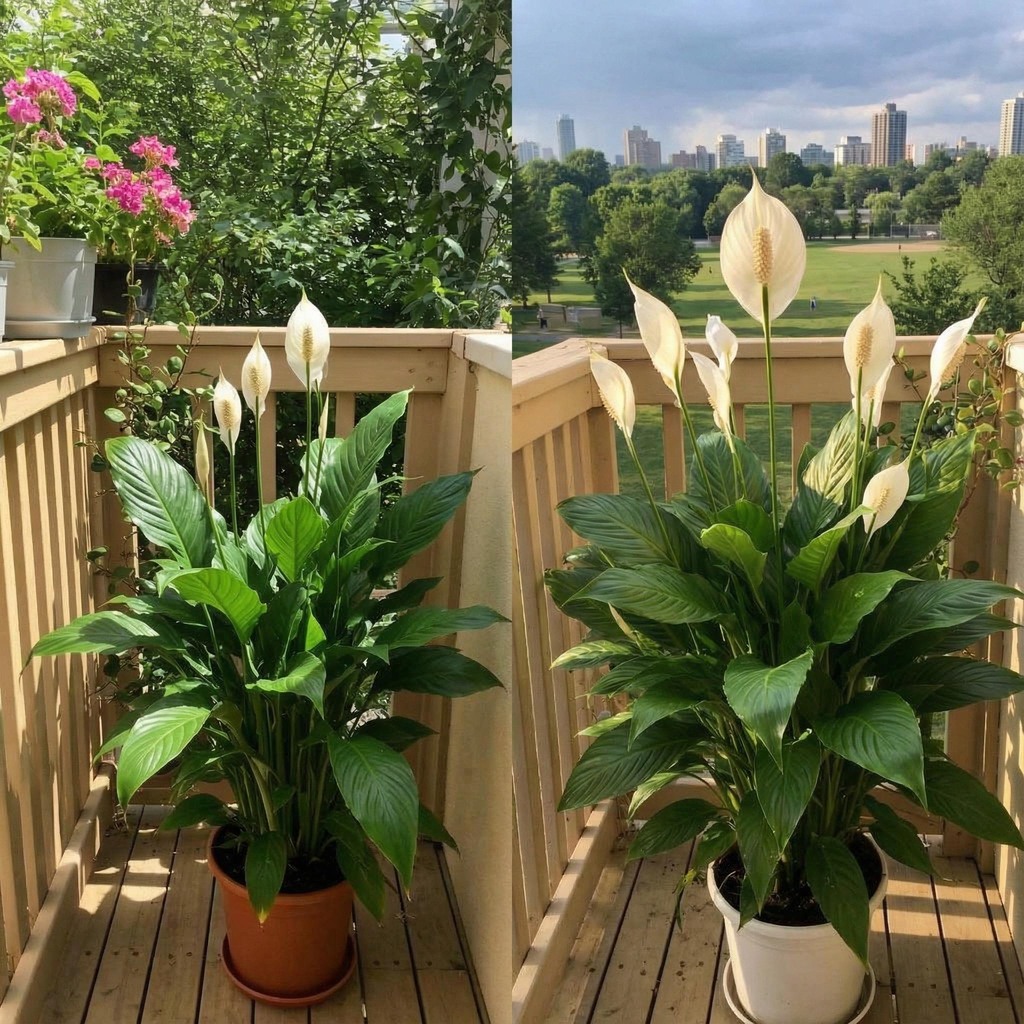
Peace lilies are loved for their elegant white blooms and deep green leaves, but they don’t always flower on demand. A healthy-looking plant is usually a sign that the basics are in place, even if blooms take time to appear. The key is understanding that peace lilies respond best to steady, natural care rather than quick fixes. Supporting overall health creates the conditions where flowering can happen naturally.
One gentle method some plant owners use is diluted rice water. To try this, blend plain rice with water and strain it thoroughly so no grains remain. The lightly cloudy liquid can be used occasionally to water the soil, always in moderation. This should never replace regular watering, but when used sparingly, it may support leaf growth during active periods. Overuse or overly concentrated mixtures can stress roots, so less is always more.
Environment plays a major role in blooming. Peace lilies prefer bright, indirect light—too little light can limit flowering, while direct sun may scorch leaves. Placing the plant near a window with filtered light is ideal. Soil should stay evenly moist but well-draining, as soggy conditions can harm roots. These plants often communicate clearly: gentle drooping usually signals it’s time to water. Consistent temperatures and moderate humidity further support long-term health.
The most reliable approach is consistency. Avoid frequent changes, harsh treatments, or overfeeding. Instead, focus on balanced watering, proper placement, and occasional mild support. When peace lilies feel settled and stress-free, they often respond with fuller foliage and periodic blooms. Each plant moves at its own pace, but calm, attentive care allows them to thrive naturally—bringing lasting beauty to your indoor space without forcing the process.