
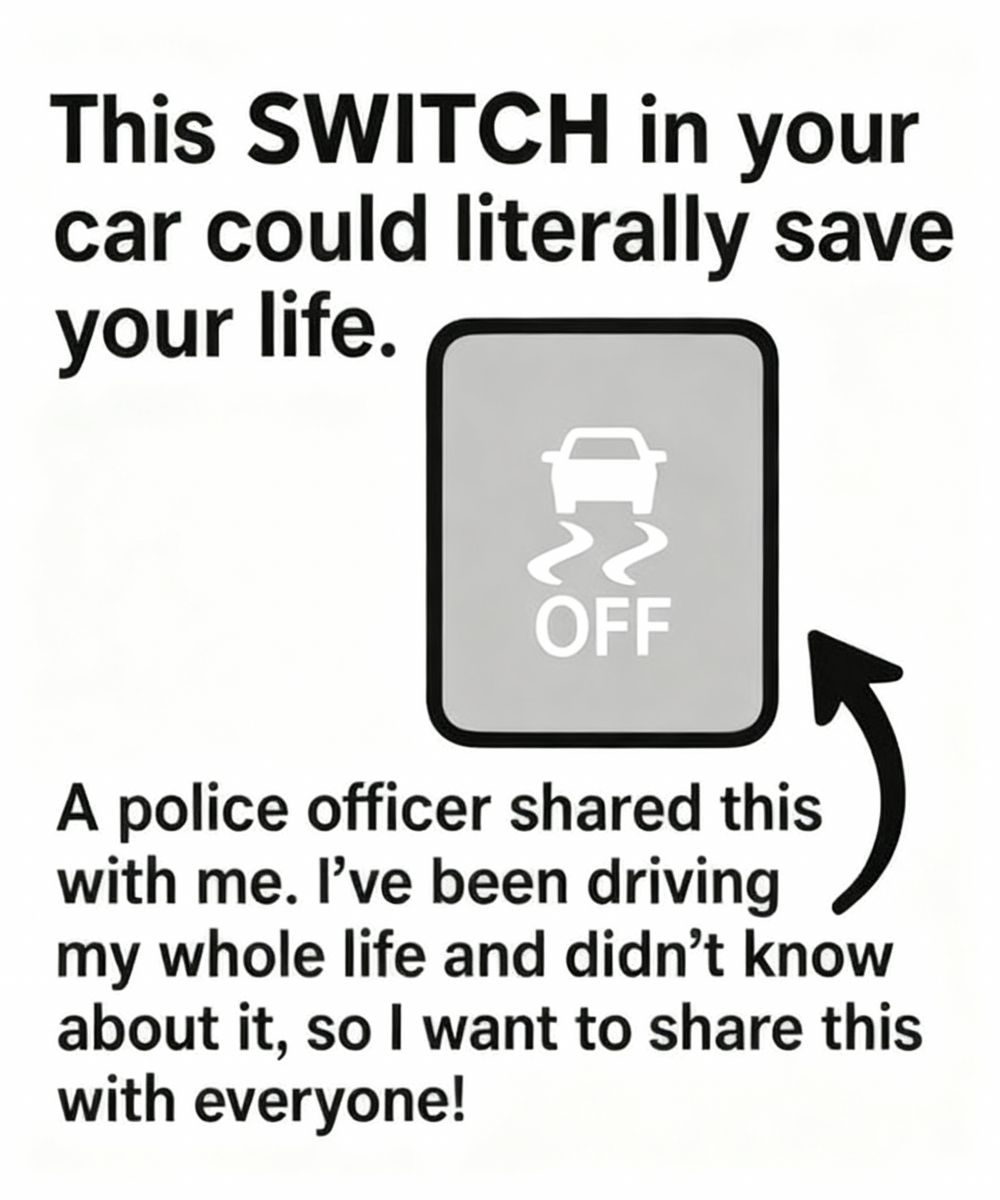
The early years of driving often leave a lasting impression, blending freedom with moments of uncertainty. Even seasoned drivers can feel stress creep back during heavy traffic, bad weather, or unfamiliar roads. What’s easy to forget is that modern vehicles are built to help in exactly these moments. Through subtle alerts, driver-assist systems, and stability features, cars now work quietly in the background to reduce risk when conditions change or focus slips.
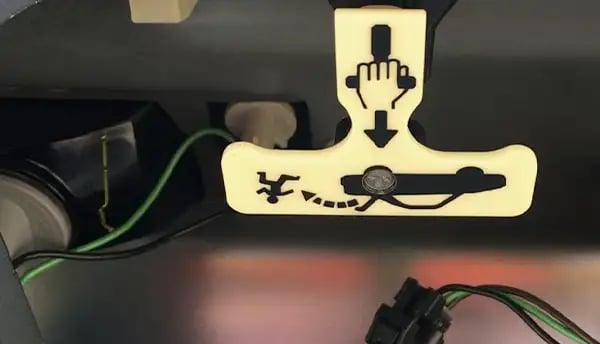
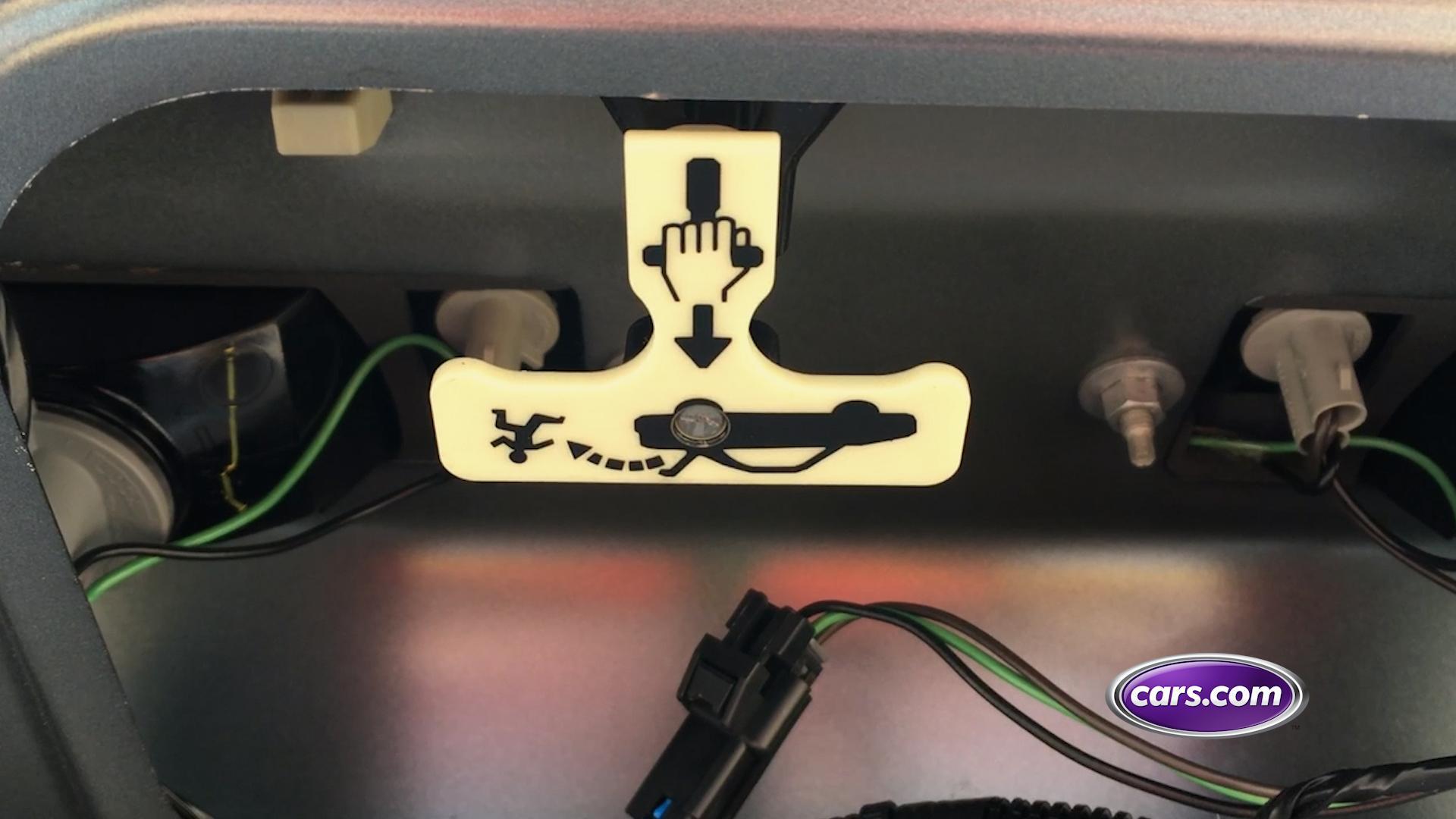
Beyond the well-known technologies, many vehicles include lesser-known safety features that often go unnoticed until they’re needed. One important example is the internal trunk release, now standard in many newer models. This clearly marked handle allows someone inside the trunk to open it from within, providing a critical safeguard in rare but serious situations. Knowing where this release is located—and how rear seats can be folded or adjusted—adds an extra layer of preparedness.
Another commonly overlooked feature is the headrest. While it’s usually associated with comfort and proper posture, some headrests are designed with an added purpose. In certain vehicles, removing the headrest reveals metal prongs that may help break a side window if doors become stuck. Because this design varies by model, taking a few minutes to understand how your own headrests work can be valuable in an emergency.
Ultimately, vehicle safety comes down to awareness and preparation. Reviewing the owner’s manual, identifying built-in safety tools, and keeping your car well maintained are simple steps with real benefits. Technology is most effective when paired with informed decision-making and attentive driving. By understanding both the obvious and hidden safety features in your vehicle, you can travel with greater confidence—and be better prepared for the unexpected.