
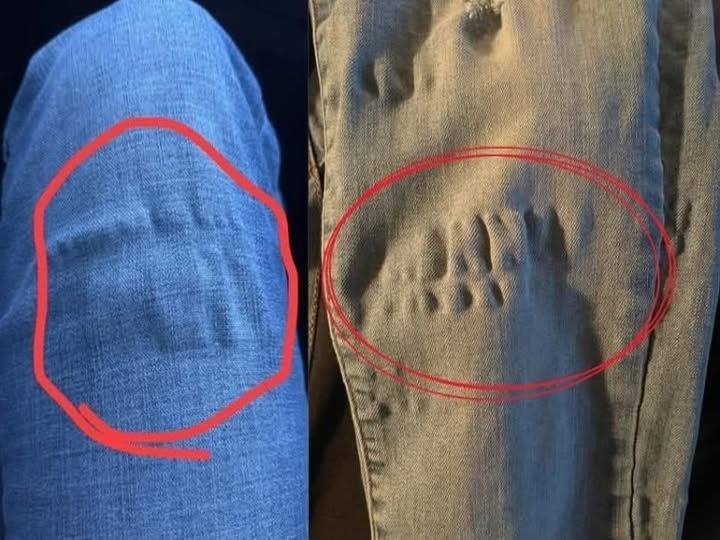
Jeans often come out of the wash with strange ripples, puckering, or warped seams, and it’s not just bad luck. Most modern denim includes a mix of cotton and Lycra (or elastane) to create that comfortable stretch we’ve all come to expect. The catch? Lycra is extremely sensitive to heat. Hot wash cycles or high dryer settings can weaken or break down the fibers, leaving the surrounding cotton warped permanently. Once those ripples appear, there’s no reversing them.
Frequent washing plays a role as well. Many people wash their jeans far more often than necessary, which accelerates fiber fatigue and leads to uneven shrinking. Inside the washer, jeans are tossed, twisted, and pulled in multiple directions—especially when the machine is overloaded. This tug-of-war effect places stress on certain areas more than others, creating localized puckering instead of uniform shrinkage.
Denim also absorbs and releases water unevenly. Stretchy areas swell more when wet and contract differently as they dry. If jeans dry while bunched up or tangled, those uneven sections set into place, leaving ripples or creases that won’t smooth out. Overcrowding a washer or dryer worsens this, trapping jeans in odd positions that mold their shape as they dry.
The good news? These issues are easy to prevent. Always wash jeans in cold water and avoid high heat in the dryer. Air drying is ideal, but if you must use a dryer, choose a low-heat option and remove the jeans while they’re still slightly damp. Turning them inside out helps reduce friction, and washing on a gentle cycle—or even hand washing—protects the delicate stretch fibers. Most importantly, give your jeans room to move by not overloading the machine. With the right care, denim stays smooth, keeps its shape, and lasts much longer.