
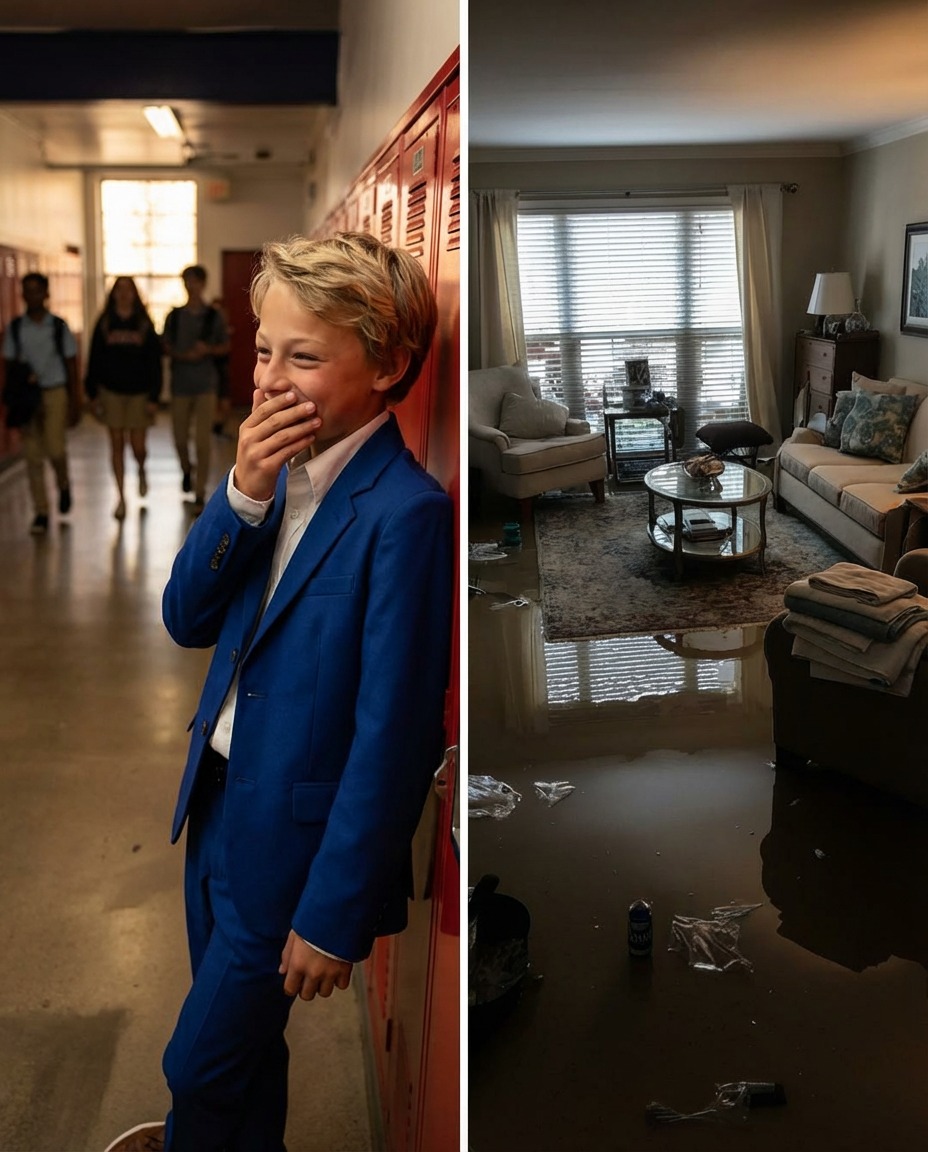
When we finally moved into the little fixer-upper we had spent years scraping, saving, and repairing, it felt like the culmination of a dream we built board by board. After nearly a decade of effort, the house was finally sturdy, warm, and truly ours. That’s why hosting Nick’s sister, her husband, and their son felt like a celebration. But everything changed the day we returned from a short outing to find water soaking the floors, ruined boxes collapsing in corners, and damage spreading through every room. A plumber later confirmed the cause: someone had packed the toilet bowl tightly with Play-Doh, forcing it to run nonstop. Thousands of dollars in destruction had unfolded while we were gone.
The first step in handling a crisis like this is separating shock from action. At first, we assumed it was an innocent mistake — kids misbehave, after all. But when we calmly explained what the plumber found and asked for basic help with repairs, Nick’s family denied everything and accused us of blaming them unfairly. A week later, the truth surfaced when our daughter came home shaken: her cousin had bragged at school that he clogged the toilet intentionally because his mother told him it would be “funny” and teach us a lesson. Realizing an adult may have encouraged the behavior shifted the situation entirely. It wasn’t about a prank — it was about accountability.
The second step is documenting everything before emotions take over. Quietly and methodically, I collected invoices, photographs, the plumber’s report, and a short recording our daughter captured of her cousin repeating the story. I sent a measured letter requesting reimbursement and explained that if they declined, we would take the matter to court. When they dismissed the request, assuming we wouldn’t follow through, I filed the case. In court, the evidence spoke for itself. Their son admitted he thought it would make his parents laugh, and the judge ruled in our favor, covering repairs and legal fees. The message was clear: intentional damage — even by a child — still carries consequences adults must address.
The final step is choosing peace once the situation is resolved. We repaired the home, reclaimed our space, and allowed life to settle into normal rhythms again. Our daughter moved past the ordeal, and we stepped away from the family drama entirely. Looking back, it wasn’t about punishing anyone; it was about protecting our home and refusing to be manipulated into accepting blame for something we didn’t cause. Sometimes the most empowering thing you can do is let truth stand on its own and trust that fairness, once set in motion, will land where it needs to.