
Tattoos have become a celebrated form of self-expression, offering people a way to highlight meaningful moments, honor loved ones, or simply enjoy the beauty of artwork on their skin. For many, a tattoo isn’t chosen for its literal meaning but for the feeling it evokes—its style, its symbolism, or the personal connection it inspires. As body art becomes more common across generations, curiosity about the stories and cultural origins behind different designs continues to grow.
Throughout history, various tattoo styles have emerged from cultural rituals, ancestral traditions, and the identities of unique communities. Over time, certain shapes, symbols, and patterns have adopted meanings tied to the places or people they came from. These interpretations can vary widely depending on region and culture, and they often shift as tattoos move into modern artistic spaces. Exploring these origins allows us to see tattoos not only as decorative pieces, but also as expressions shaped by heritage and human experience.
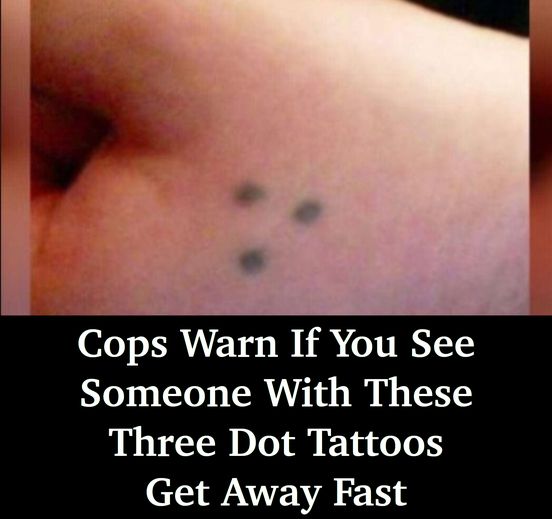
Minimalist designs—such as dots, lines, tiny shapes, or subtle geometric patterns—are especially personal. They often represent private moments, emotional milestones, or philosophies the wearer holds close. Likewise, letters, initials, and numbers may represent cherished dates, supportive relationships, or meaningful phrases. Even when two people choose the same image, the story behind it can be profoundly different, rooted in their individual journey.
Recognizing the depth behind tattoo designs encourages a more thoughtful and respectful view of body art. Instead of making assumptions, we can appreciate tattoos as reflections of identity, resilience, and creativity. By learning about the diverse artistic and cultural influences that shape tattoo traditions, we open the door to richer conversations and deepen our understanding of the many ways people choose to express who they are.