
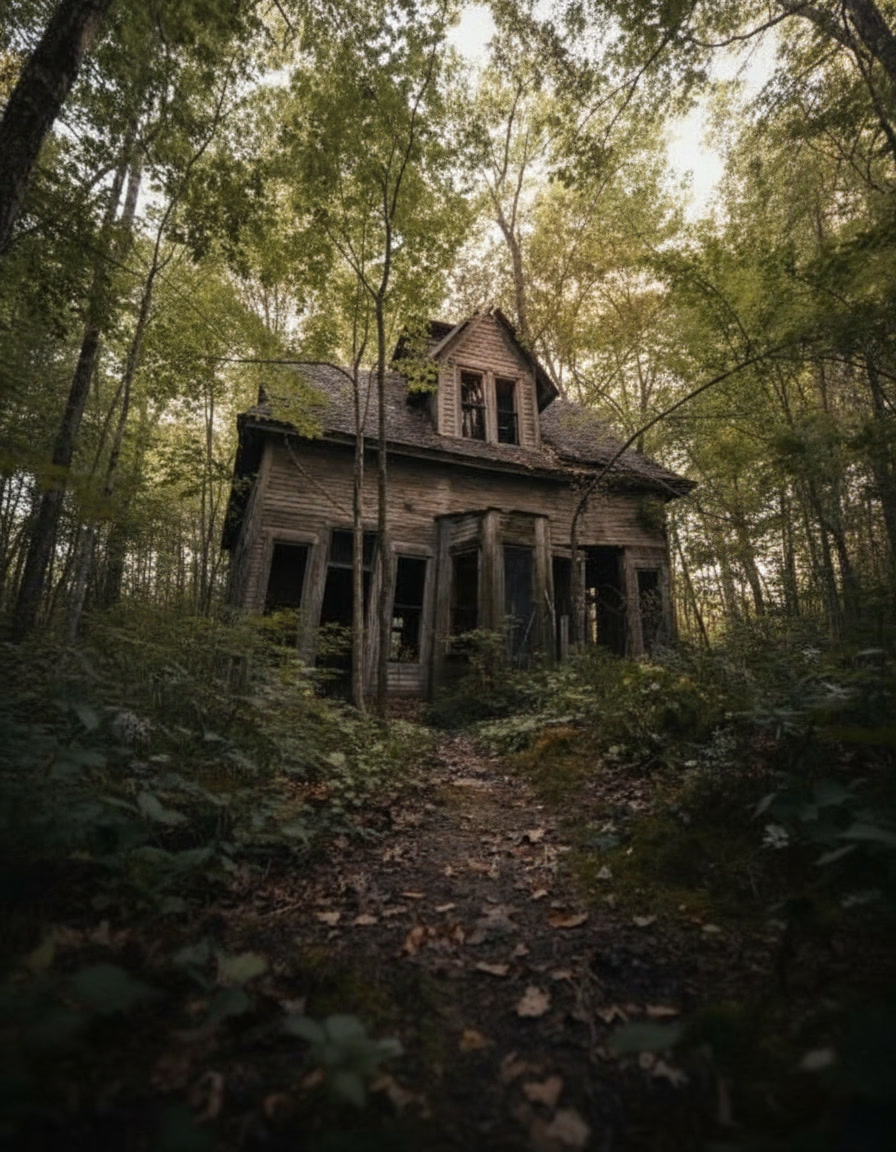
When an aging 1887 house sat ignored at the edge of town, most people saw only decay — a sagging roof, peeling paint, and years of silence settling into its walls. Instead of dismissing it, one person paused long enough to imagine what it once meant to the neighborhood. That first step matters in any transformation: look beyond the surface and allow curiosity to lead you. Potential often hides behind assumptions.
Restoration didn’t happen overnight. Skilled hands approached each repair with patience, honoring the craftsmanship that time had nearly erased. Bricks were reset, wood was refinished, and the unruly yard slowly welcomed life again. This stage teaches a second lesson: true renewal comes from steady, intentional effort — not quick fixes. Beauty grows when we invest the time to do things well.
Inside, the house tells an even richer story. Sunlight now pours through restored stained-glass windows, illuminating warm wood floors and thoughtfully redesigned bedrooms. An airy office space invites creativity, while preserved historical details remind visitors of the home’s journey. Here lies the third takeaway: progress doesn’t mean abandoning history — it means elevating it thoughtfully.
Ultimately, the home’s revival proves that value doesn’t disappear just because others stop noticing it. Someone believed in what could be, and that belief sparked change. The final reminder is simple: whether it’s a building, a dream, or a person, potential thrives when seen with intention. Share this story with anyone who loves restoration — because sometimes all it takes is looking twice.