
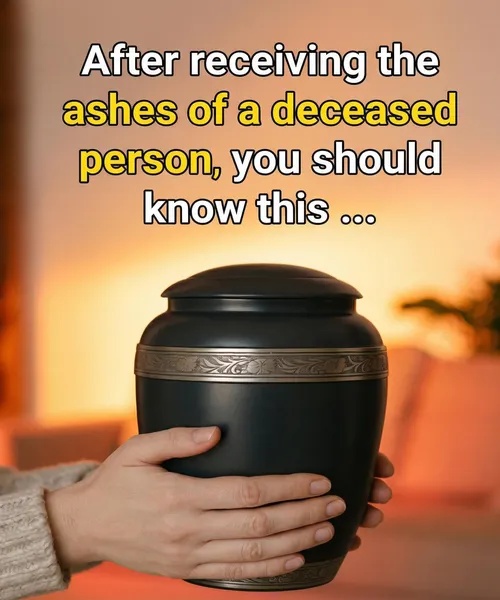
When someone we love passes away, the world can suddenly feel quieter and strangely unfamiliar, filled with spaces we don’t yet know how to navigate. In that vulnerable period, many families look for something tangible to hold onto—a physical reminder that offers comfort when the person is no longer physically present. As cremation becomes more common in the United States, more people choose to keep a loved one’s ashes at home, not as a symbol of loss but as a gentle reminder of connection. A photograph beside a favorite chair, a candle lit each evening, or simply knowing the urn is nearby can ease daily grief, especially for those who spent many years sharing routines and memories.
Different religious and cultural traditions interpret the presence of ashes in distinct ways. Spiritist teachings often discourage keeping ashes in the home, suggesting that both the living and the departed may feel emotionally tethered in ways that slow healing. Christian perspectives vary: the Catholic Church permits cremation but encourages placing remains in consecrated spaces rather than keeping them indefinitely at home or scattering them freely. Many Protestant communities offer more flexibility, but they share a focus on reverence—ensuring that whatever is done reflects dignity and respect for the person’s life and faith.
Mental-health professionals emphasize that grief is not a one-size-fits-all experience. For some people, having ashes close brings grounding, warmth, and a sense that love continues in small everyday moments. For others, that same presence can feel heavy, as if sorrow remains stuck rather than able to evolve. In those cases, alternative rituals can offer healing—planting a tree, creating an outdoor memorial area, compiling letters and stories, or supporting causes that mattered to the person who passed. The purpose is not to move on from the loss, but to shape remembrance in a way that encourages resilience and honors the impact they left behind.
There are also practical considerations. Families often choose urns or keepsake jewelry designed to store remains respectfully and securely. Some decide to divide ashes so that several relatives can share in remembrance without placing emotional responsibility on a single person. Thinking about local regulations, future family transitions, and the long-term feelings of younger generations can help make the choice sustainable. In the end, the meaning lies not in where the ashes rest, but in the intention. Whether kept at home, returned to nature, or placed in a sacred setting, remembrance is carried forward through love, gratitude, and the quiet ways we honor someone’s life long after they are gone.